Lily symbolism
History of the name
The name derives from the Greek “leirion” and the Latin “lilium”.
The legend of lilies and the Milky Way
In ancient Greece, the lily was dedicated to Hera, queen of heaven, wife of Zeus and protector of marriage and children. According to the legend, Zeus wanted his son by the mortal Alcmene to drink Hera’s milk and become immortal. The child was placed at her breast while she slept. Drops of milk scattered across the heavens, creating the Milky Way, while a drop that fell to Earth became a white lily.
Christian tradition associates the Easter lily with the Garden of Gethsemane, where Judas betrayed Jesus. According to the legend, white lilies grew where Jesus’ tears and sweat fell in the final moments of his life.
Another tradition tells that when Eve was expelled from Eden, lilies grew from the sincere tears of repentance she shed.
The lily of Saint Anthony
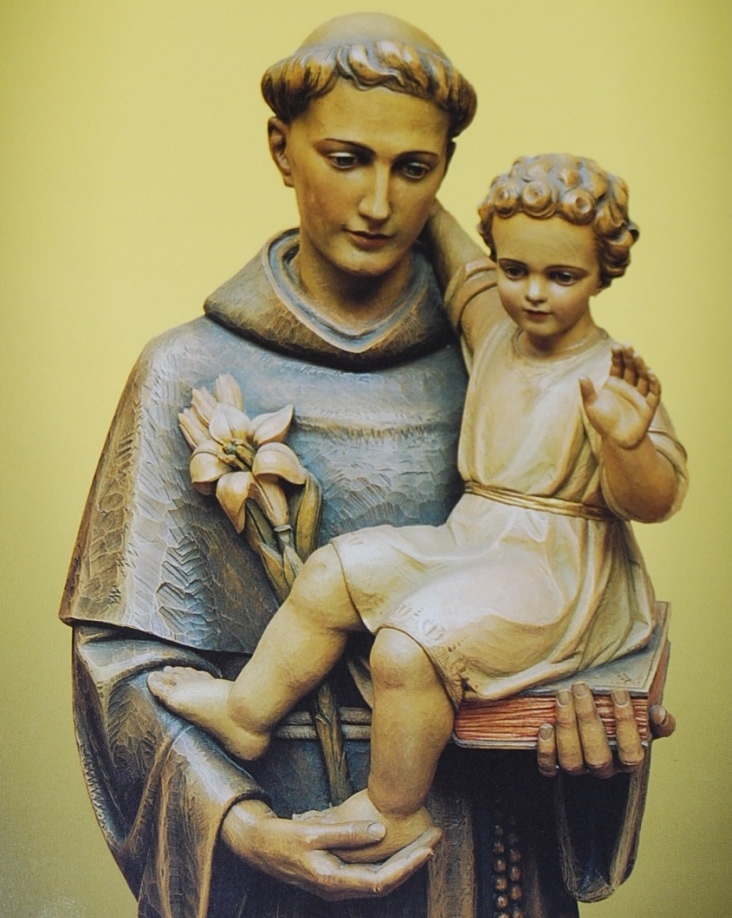
On Saint Anthony’s feast day, lilies are blessed and distributed in many places. Some people wear them on their clothing. The flower recalls the saint’s purity and the prayer for this virtue, especially in times of temptation.
The custom is traced to the eighteenth century, after the French Revolution. The Franciscans were expelled from Corsica and their church was abandoned, although people continued visiting on Saint Anthony’s feast day. The story tells of a worshipper who found lilies still fresh in the church several months later. Pope Leo XIII approved the blessing of lilies. The blessing asks for virtue, peace and protection from evil. Source: http://www.hkz-salzburg.net
A symbol of innocence
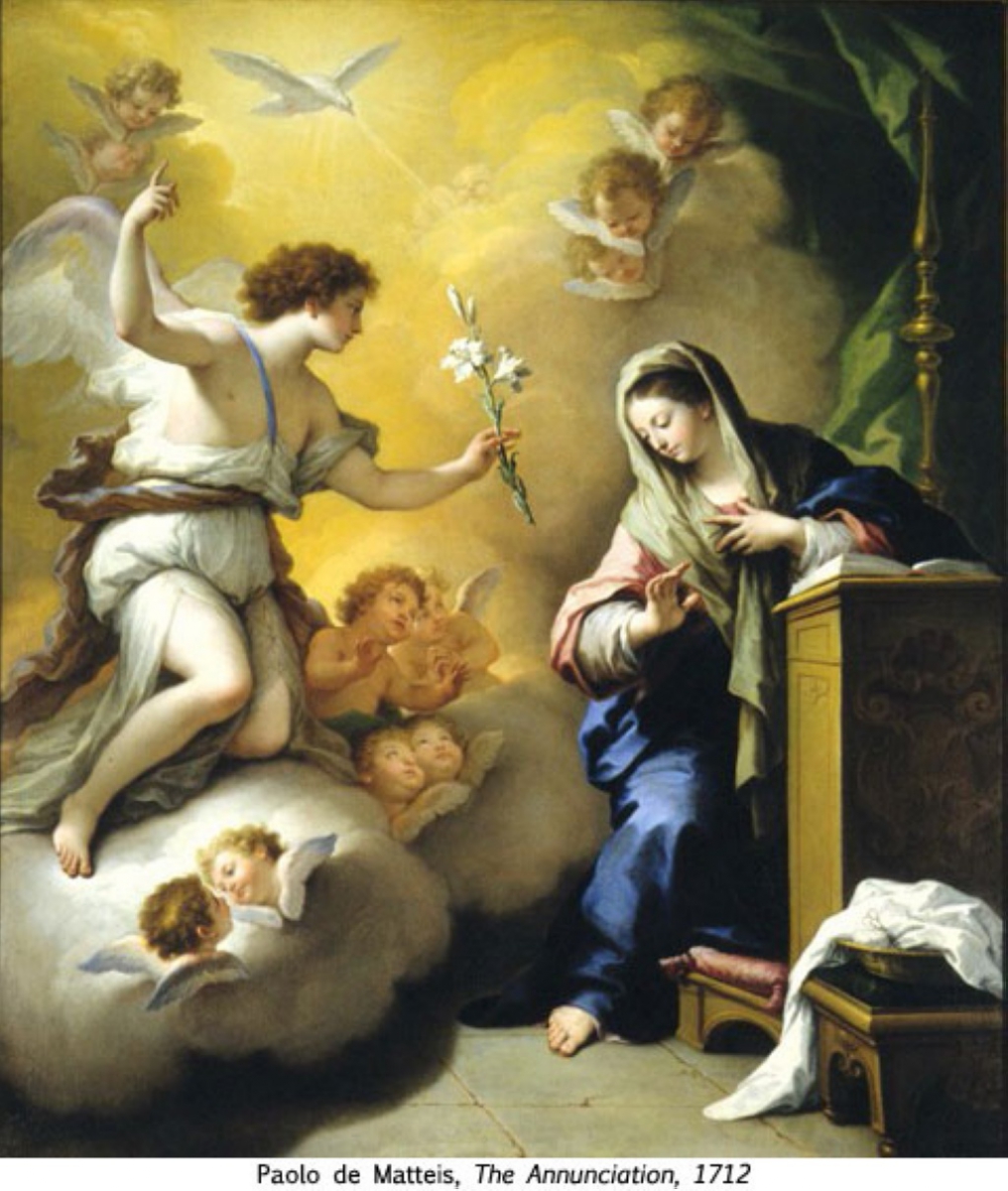
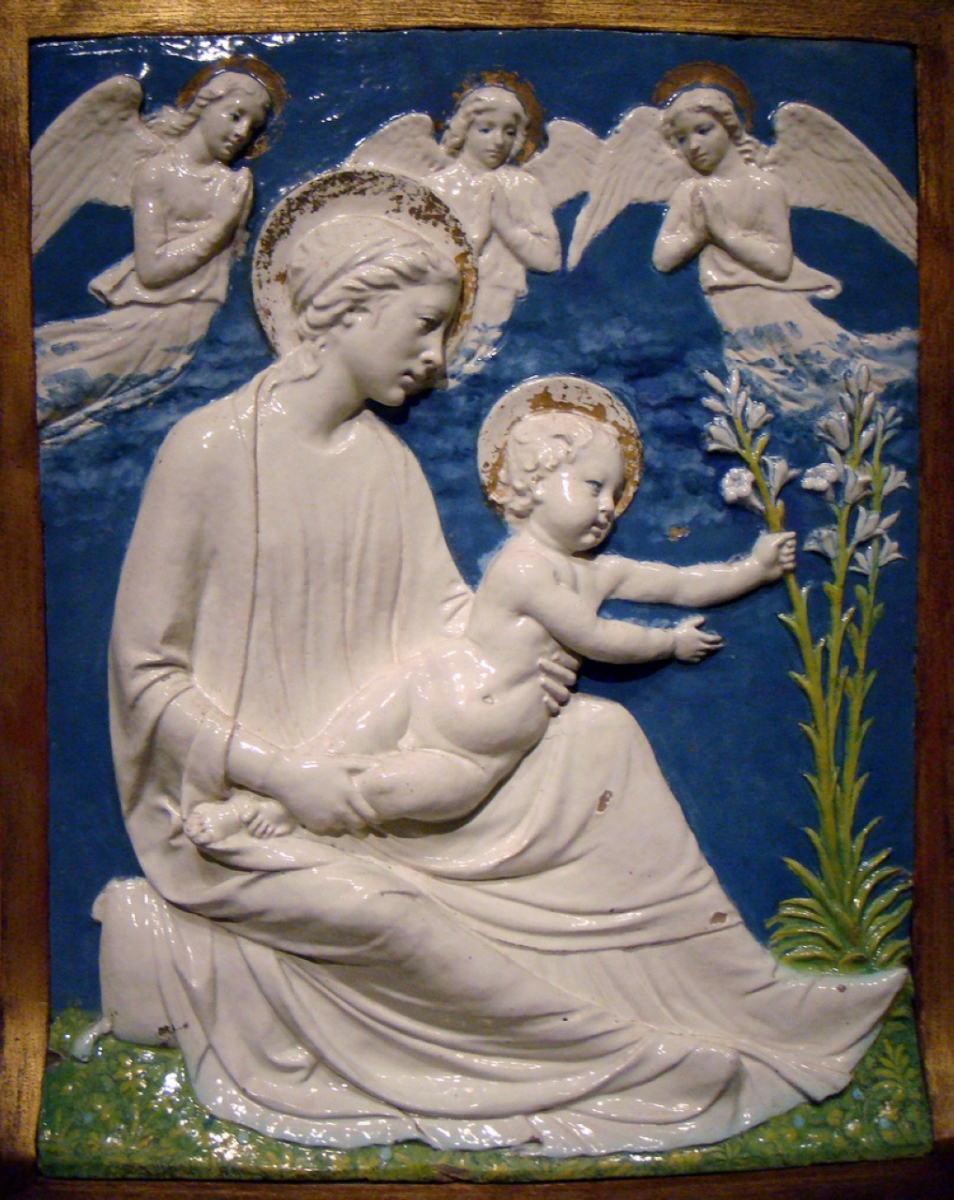
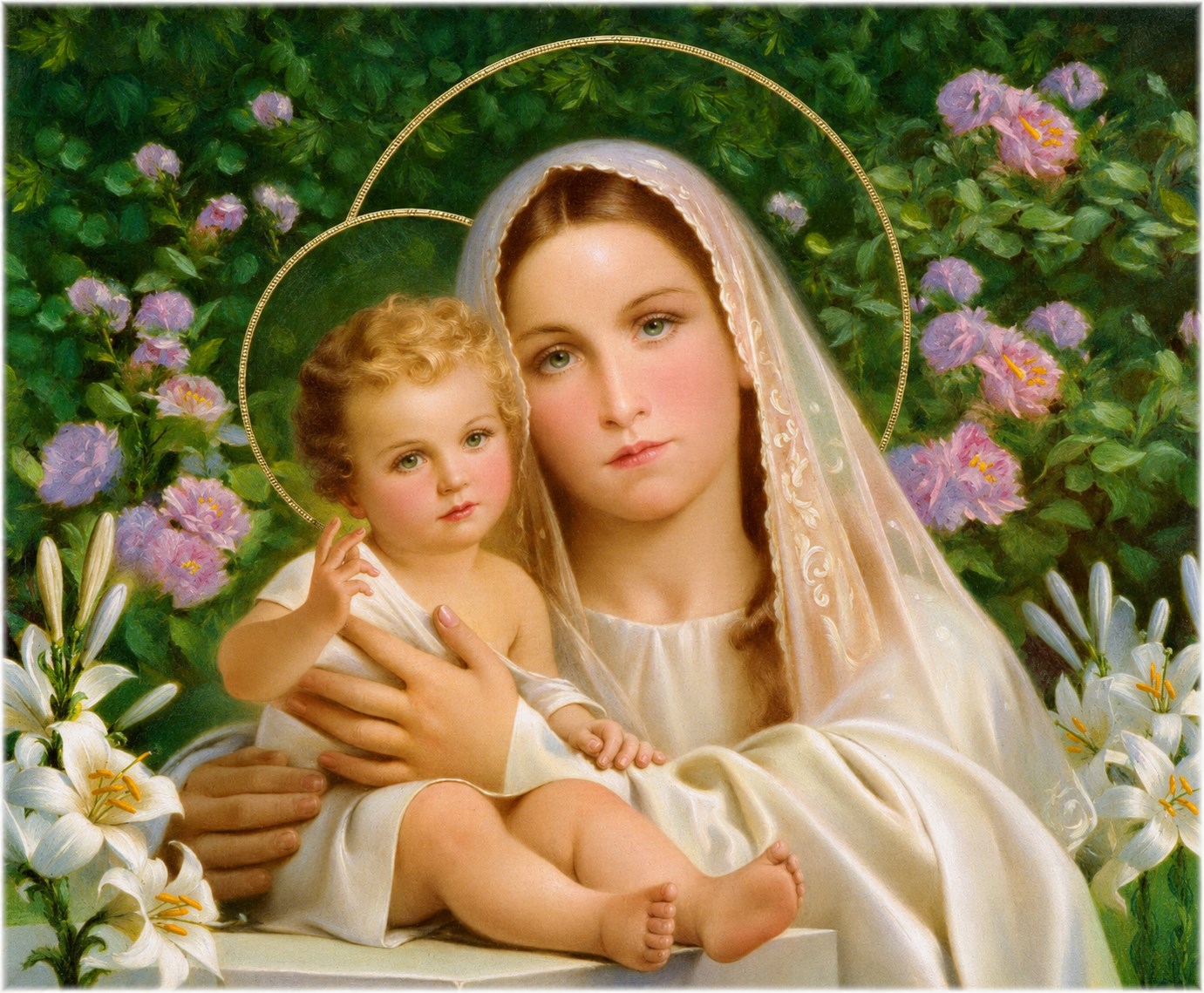
In Christian iconography, the lily is especially associated with Mary, symbolising innocence and virginity, and appears in Marian hymns. It is a frequent feature of Annunciation scenes, expressing Mary’s chosen status and purity.
It also symbolises the purity of the Blessed Virgin Mary. One legend tells that three days after her burial, her tomb held a magnificent bouquet of lilies in place of her body.
Source: http://cvijece.covermagazin.com
The white lily also symbolises boundless beauty, happiness, immortality and salvation. It is often used at weddings as a symbol of choosing one’s beloved.
In ancient Greece and Rome, lilies were used at weddings as a symbol of innocence. Brides wore them in their wedding crowns alongside ears of wheat, which symbolised fertility.
Lilies in paintings
Paintings often show the Archangel Gabriel offering this flower to the Virgin Mary.
Other paintings show saints bringing vases of white lilies to Mary and the infant Jesus. A legend tells that visitors to Mary’s tomb three days after her burial found only a magnificent bouquet of white lilies.
Early writers and artists used the lily as a sign of the Annunciation and Mary’s Assumption. Its white petals represented her unblemished body and its golden stamens her soul shining in heavenly light.
Colours and symbolism
The white lily, seen as a heavenly flower, symbolises innocence and purity, while purple lilies symbolise happiness.
In Christian tradition, yellow lilies are used in Easter decorations as a symbol of Jesus’ resurrection. The Madonna lily holds a special place: one legend says it was yellow until the Virgin Mary stepped on it, turning it white. It is associated with gratitude and good spirits.
Orange tiger lilies symbolise health and pride.
Power and beauty
The lily symbolises beauty and royal dignity. At times it was also regarded as a sacred plant belonging to heavenly rulers and gods.
It is mentioned several times in the Bible as a symbol of splendid beauty, purity and being chosen.
A Roman legend tells that when Venus rose from the sea foam and saw a lily, she became jealous of its whiteness and beauty.
Folklore about predicting a child’s sex
One old custom attempted to predict an unborn child’s sex by asking the mother to choose a rose or a lily; the lily represented a boy. Another Roman legend says that Venus, jealous of the lily’s beauty, gave it an “ugly” pistil as a symbol of desire.
Source: http://www.punmiris.com
The city of lilies
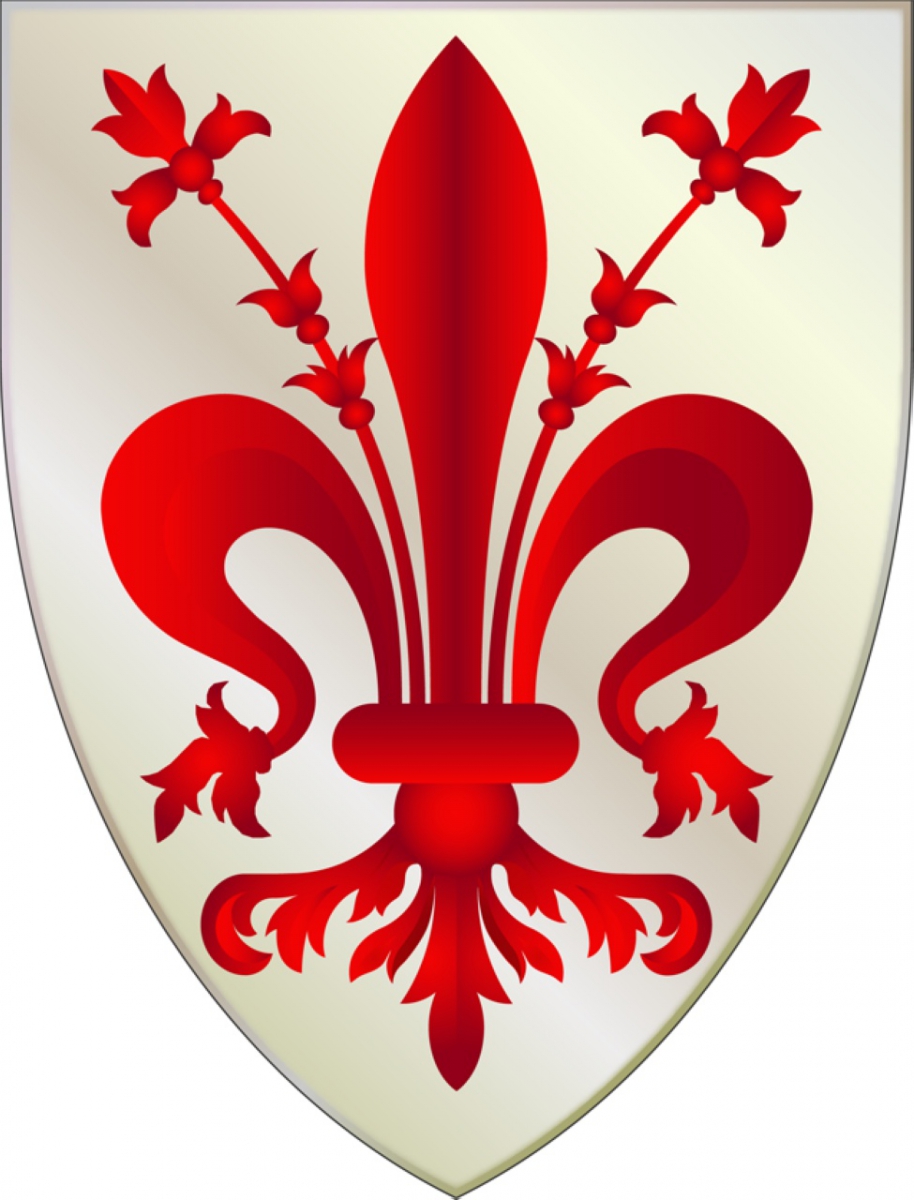
Florence in Italy is surrounded by hills with vineyards, olive groves and cypress trees. It spreads along both banks of the Arno and has long used the lily as its city emblem.
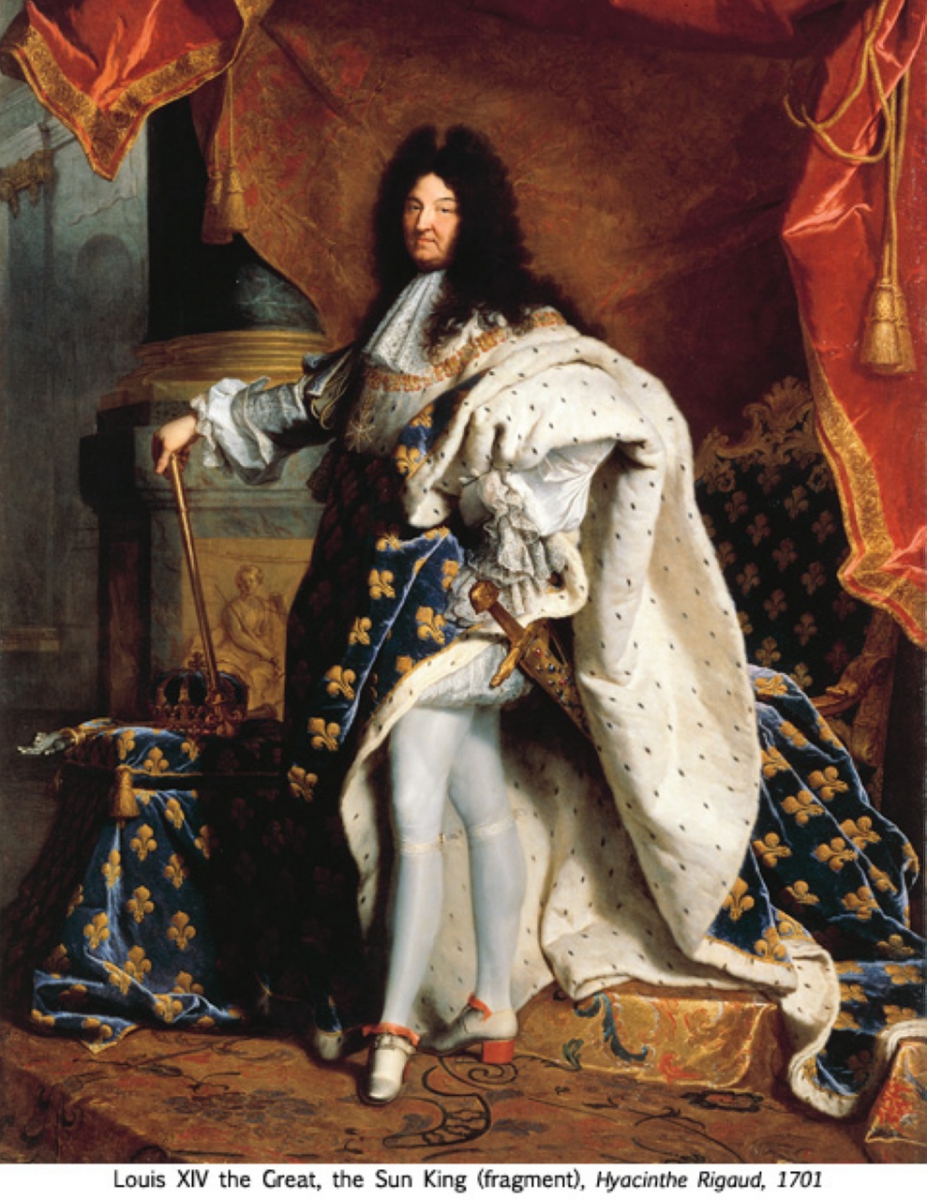
A lily also appeared in the coat of arms of the French royal family.
As a symbol of power and royal dignity, it appears frequently in coats of arms.
Lilies in traditional medicine
Lilies were once believed to have healing and even magical properties. In the Elizabethan era, many recipes described their use for fever, cleansing wounds and ointments for burns and sores, as well as for arthritis and rheumatism. These are historical beliefs, not medical advice or evidence of effective treatment.
An old Spanish belief held that eating lily petals could restore human form to someone who had been magically transformed into an animal.
Dreams and beliefs about lilies
In traditional dream interpretation, dreaming of lilies in spring was associated with an approaching wedding, happiness and prosperity; a winter dream was linked to the death of someone close.
One belief held that a wild lily growing on an executed criminal’s grave proved their innocence. Another suggested that planting lilies in a garden would protect it from evil spirits.